Whether you’re a homeowner, landlord, or property manager, knowing when and why to repoint brickwork is about more than curb appeal. It’s about protecting your investment, ensuring safety, and preserving architectural heritage. Here’s what you need to know in 2026.
What Is Repointing & Why Does It Matter?
Repointing is one of the most effective ways to restore failing mortar joints before they lead to water intrusion, shifting brick, or larger structural issues.
Understanding the Repointing Process
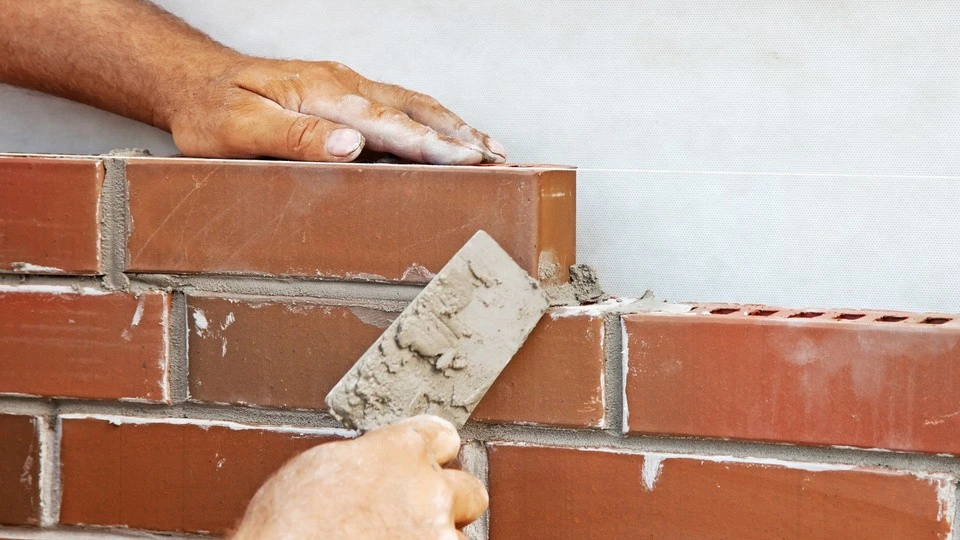
Repointing involves removing deteriorated mortar between bricks and replacing it with new mortar that matches in composition and appearance. It’s precision work—like dentistry for your walls—designed to reinforce structural integrity and prevent water damage and shifting.
Benefits of Repointing Brickwork
- Structural strength: Repointing stabilizes walls, reducing the risk of cracking or collapse.
- Weather defense: Fresh mortar seals out Pittsburgh’s moisture and freeze-thaw cycles.
- Restored appearance: Crisp mortar lines rejuvenate your home’s facade, maintaining its character without shortcuts like paint.
When Should You Repoint Brickwork?
Timing matters: catching mortar failure early can prevent brick movement, interior moisture problems, and more expensive repairs down the line
Key Warning Signs
Keep an eye out for these common indicators that your mortar is failing:
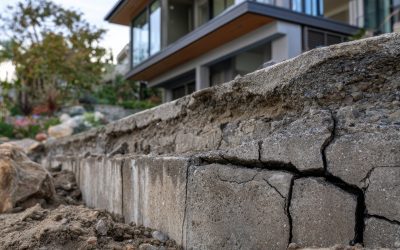
- Cracks, crumbling, or missing mortar
- Loose or shifting bricks
- Efflorescence (white powder), moss, or other growth between joints
- Visible gaps or mortar debris collecting near walls
How to Check Brickwork Yourself
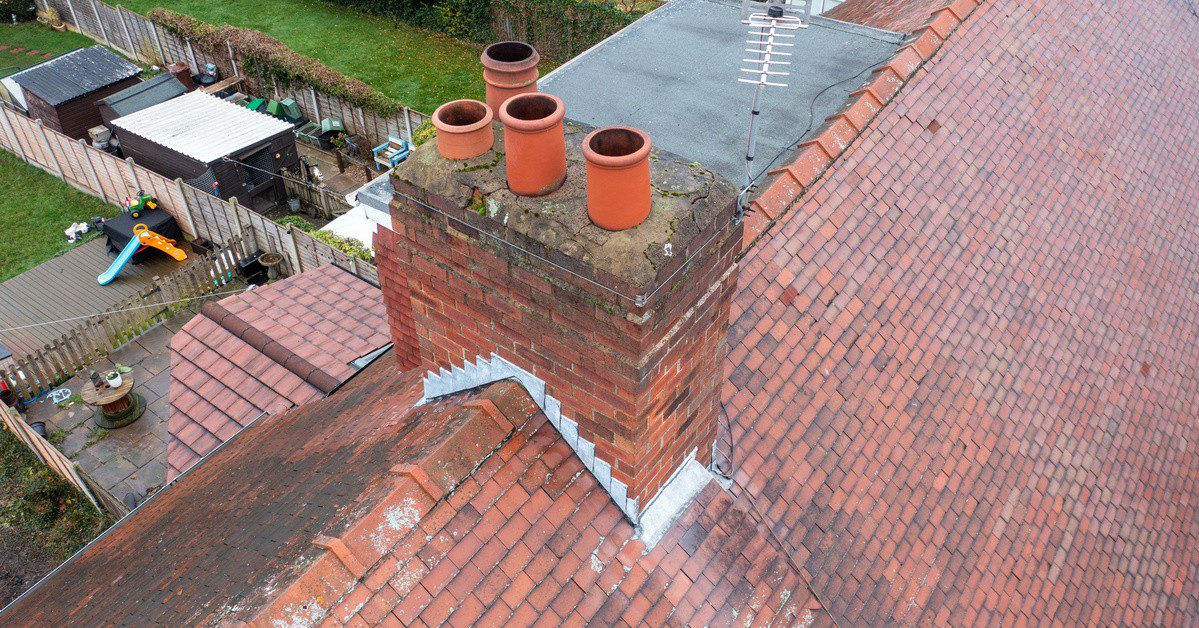
Take a slow walk around your property and inspect high-risk areas—chimneys, corners, and garden walls. Gently tap bricks with a tool handle. If they move or sound hollow, it’s time to act. For older homes, documenting trouble spots with photos can help track changes seasonally.
Protecting Structure and Shielding Against Weather
Good mortar isn’t just cosmetic—it helps the wall behave as a system, resisting movement, moisture, and seasonal stress that can compound over time.
Preserving Structural Stability
Mortar deterioration compromises more than looks—it undermines your home’s core. Even minor voids let bricks shift and weaken the load-bearing structure. Repointing fortifies these vulnerable joints, restoring the wall’s original strength.
Keeping Out Pittsburgh’s Harsh Weather
Freeze-thaw cycles are relentless. Water in mortar gaps freezes, expands, and causes more damage with each cycle. Quality repointing blocks out moisture, prevents salt intrusion, and keeps walls weather-tight year-round.
Boosting Curb Appeal & Home Value
Repointing is one of the few exterior upgrades that improves appearance while also strengthening the envelope of the home—especially noticeable on older brickwork.
Refreshing Aged or Damaged Brickwork
A good repointing job sharpens the contrast and clean lines between bricks, giving the entire home a cleaner, more vibrant appearance—especially important for historic or detailed facades.
Adding Value With Masonry Maintenance
Well-maintained brickwork signals attentive ownership and can increase your property’s appraisal. Pittsburgh real estate agents report homes with visible masonry upgrades can appraise 3–7% higher than comparable homes with neglected exteriors.
Even if you’re not selling, proactive repointing prevents larger, more expensive repairs and helps avoid insurance issues related to water damage.
Repointing vs. Replacement: What’s More Cost-Effective?
In many cases, repointing is the “save it now” option that keeps brick walls serviceable for decades without the disruption and expense of rebuilding.
While repointing isn’t inexpensive, it’s significantly more affordable than rebuilding. Done on time, it can extend your brickwork’s lifespan by decades and improve energy efficiency by sealing air leaks.
Eco-Friendly Options for Modern Repointing
If you want a lower-waste approach to exterior maintenance, repointing is often the most sustainable way to keep existing masonry performing well.
Why Repointing Is the Greener Choice
- It conserves existing materials and reduces landfill waste.
- It lowers the carbon footprint by avoiding the production and transport of new bricks.
Green Mortar and Tools
Today’s lime-based mortars are both historic-friendly and eco-conscious. Combined with tools that minimize dust and disruption, such as vacuum-assisted rakes and hand-tooled joints, repointing can now be cleaner and safer for families and workers alike.
Working with Historic Masonry in Pittsburgh
Historic brick buildings often require extra care—especially when mortar composition, joint style, and preservation expectations all factor into the right approach.
Preserving Unique Architecture
From the rich tones of Sandstone Row to the brick arches of Lawrenceville, Pittsburgh’s historic buildings require careful, detail-oriented repointing. When done right, it extends their lifespan while keeping their original charm intact.
Historic Masonry Challenges
- Finding a perfect mortar match to avoid damaging old bricks
- Working around intricate features and tough-to-reach areas
- Navigating preservation regulations and weather timing
Many local masons collaborate with preservation groups to ensure that all work respects original architecture while meeting modern codes.
FAQs About Brick Repointing
These are the most common questions Pittsburgh homeowners ask when planning, budgeting, and deciding whether to DIY or hire a professional.
How often should brickwork be repointed?
Is repointing disruptive?
Expect moderate noise and dust. Most single-home projects wrap up in under a week.
Can I do it myself?
What mortar is best for older buildings?
Will it prevent water damage?
Yes. Repointing blocks out moisture, helping prevent interior leaks, mold, and rot—critical in Pittsburgh’s damp climate.
How long does repointing take?
Final Word: Don’t Wait on Repointing
Brickwork is beautiful, but only as strong as the mortar holding it together. Repointing is a proactive investment in your home’s safety, efficiency, and value. It preserves history while protecting what’s ahead.
If your brickwork shows signs of wear, schedule a professional inspection. Early action saves money, maintains charm, and ensures your home stands strong for decades to come.