
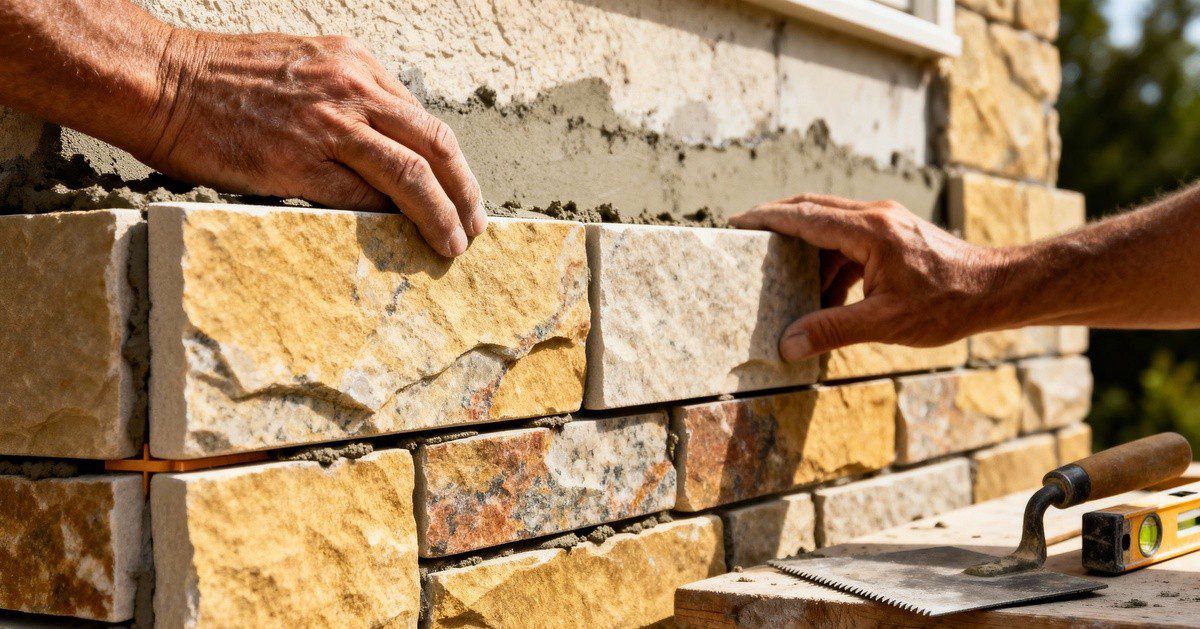
Stone veneer continues to show up in projects that want warmth and texture without the heft of full-bed masonry. In 2026, the look is getting cleaner and more intentional—fewer “busy” patterns, more focus on proportion, transitions, and how the material works with lighting. For Pittsburgh homeowners and business owners, the appeal is practical too: veneer can elevate a brick rowhouse, soften a modern addition, or give an older façade a refreshed, finished look—without rebuilding an exterior wall.
Below are the design directions showing up most often, plus Pittsburgh-specific notes (freeze-thaw, older housing stock, and the city’s mix of brick-and-stone architecture) that can make or break the final result.
What Makes Stone Veneer a Top Design Material?
Stone veneer works because it balances aesthetics and logistics. Compared with full stone, veneer is lighter and typically easier to plan around in remodels. Product lines have expanded as well: you can now find more consistent sizing, sharper corners, and finishes that range from crisp and modern to rugged and weathered—without forcing the rest of the room to feel “rustic.”
Modern Stone Veneer Design Principles
This year’s modern approach is less about “feature wall for the sake of it” and more about clean geometry. Straight runs, tidy terminations, and deliberate negative space matter. In many homes, that means calmer palettes—soft grays, warm whites, muted taupes—and layouts that let the stone read as a texture, not a pattern competing with everything else. Large-format pieces and tight, clean corner details are especially popular on contemporary builds and renovated open-plan spaces.
Achieving a Natural Look with Veneer
Natural-looking installs still dominate, especially in Pittsburgh neighborhoods where older stone foundations and brick façades set the tone. The key is variation that feels believable: a restrained mix of tones (sand, charcoal, and mid-gray) and a surface profile that matches the home’s era. A limestone-inspired look, for example, can echo Western Pennsylvania’s rugged character without overwhelming a living room—especially when it’s paired with simple trim and warm lighting.
Emerging Stone Veneer Trends
Manufacturers keep pushing new textures and finishes, but the most useful trends are the ones that hold up in real homes—under real lighting, next to real furniture, and through Pittsburgh winters.
Mixing Textures & Color Variations
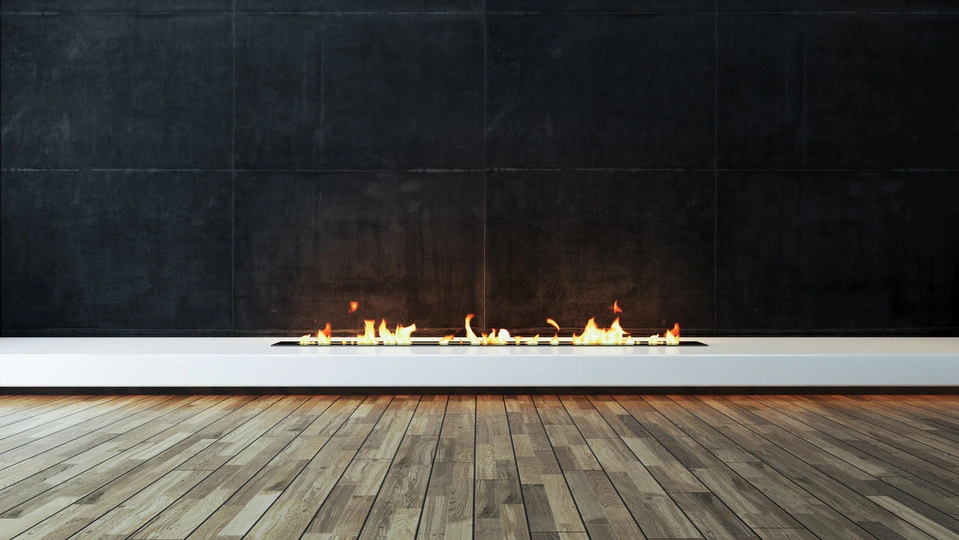
Instead of committing to a single finish everywhere, designers are blending materials for contrast: smooth veneer next to rougher profiles, darker stone paired with lighter trim, or stone alongside thin brick to break up big surfaces. The trick is keeping one element “quiet” so the other can do the talking. For example, a charcoal veneer accent can look sharp when it’s balanced by a cream or warm-white secondary material—especially in a renovated Shadyside-style interior where traditional details are still in play.
Sustainable & Eco-Friendly Stone Veneer
Sustainability is showing up in two practical ways: recycled-content products and smarter sourcing. Some manufactured veneers incorporate recycled aggregates, and many projects also reduce impact by choosing regional distributors (shorter transport, fewer delays, easier reorders). If sustainability is a priority, ask for product documentation (recycled content, manufacturing location, and warranty details) before you finalize a selection.
Thin Brick Veneer—A Rising Complement
Thin brick remains a strong companion to stone veneer in 2026, particularly for kitchens, bar backs, stair landings, and outdoor entertaining areas. It’s a useful way to pull Pittsburgh’s warehouse-and-rowhouse character into a space without committing to full masonry. Used sparingly, thin brick can also “bridge” a transition between stone and smoother materials like drywall, tile, or wood.
Innovative Stone Veneer Applications Indoors
Interior veneer projects are getting more thoughtful. Instead of covering every wall, homeowners are using stone to anchor a sightline—where you naturally look when you enter the room or settle into a seating area.
Stone Veneer Accent Walls
Accent walls still lead, but the best results come from restraint and good detailing. Fireplace surrounds remain the classic choice, yet media walls and stair-hall feature sections are gaining ground—especially when the stone stops cleanly at a casing or reveals into a painted return. In entryways, a partial-height install (for example, up to chair-rail height) can add durability where coats and bags brush the wall, while keeping the space bright.
Kitchen & Bath Innovations
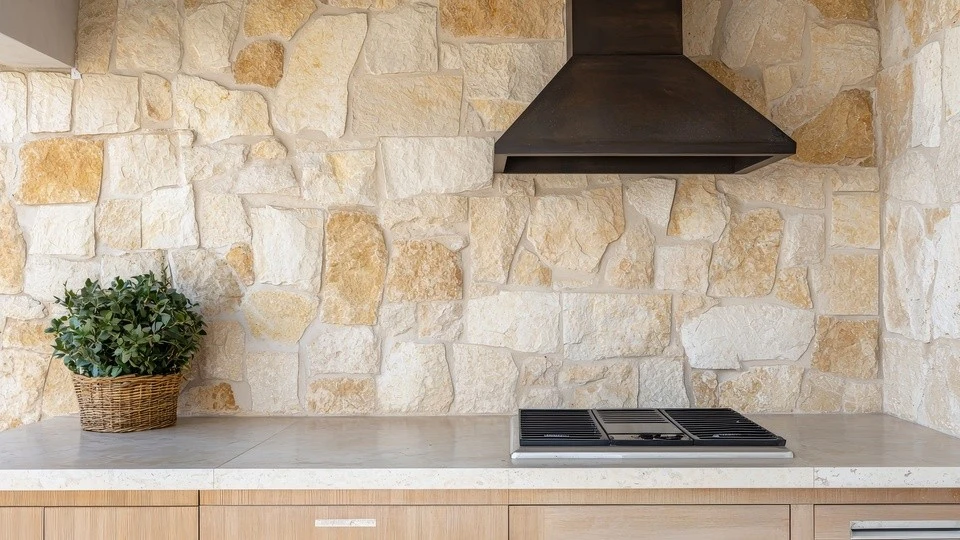
Kitchens often use stone veneer where it won’t fight grease and splashes: the island base, a dry bar surround, or a niche wall away from the cooktop. In bathrooms, veneer tends to work best as a dry-zone feature (behind a freestanding tub or on a vanity wall), paired with proper ventilation. If you’re considering a wet area, verify the product and installation method are rated for that condition and follow the manufacturer’s requirements for waterproofing.
Outdoor Living Spaces Reimagined with Stone Veneer
Exterior veneer is popular in Pittsburgh for a reason: it’s one of the fastest ways to refresh curb appeal. But the climate matters. Freeze-thaw cycles, wind-driven rain, and shaded elevations all raise the stakes for proper prep and drainage. Veneer also pairs well with adjacent hardscapes like concrete patios and steps, where the surrounding surfaces help define the overall look.
Enhancing Curb Appeal & Architectural Style
Pittsburgh streetscapes run from stately Victorians to compact brick homes to clean-lined new builds. Veneer can connect those styles when it’s used as an accent—around entries, on a bump-out, or along a foundation band—rather than trying to “re-skin” the entire home without a plan. Slate-inspired veneers read naturally against darker window frames, while lighter, quartz-like options can make a boxier modern façade feel less stark.
Stone Veneer in Outdoor Entertaining Zones
Outdoor kitchens, fire features, and low retaining walls remain top use cases. Veneer adds texture, but the structure underneath does the real work: stable footings, correct clearances to heat sources, and a system that manages moisture. For many projects, that starts with proper grading and site preparation. If you entertain often, consider where soot, smoke, or grill splatter will land—placing stone where it won’t stain easily (or choosing a finish you can clean without harsh chemicals) saves frustration later.
Local Spotlight: Pittsburgh Stone Veneer Trends & Influences
Pittsburgh doesn’t copy national trends exactly—it filters them through brick-heavy neighborhoods, industrial history, and a strong preference for materials that feel “built to last.” That’s why many local projects blend stone with steel, glass, or reclaimed wood rather than leaning fully rustic.
Regional Architectural Influences
Industrial roots show up in darker tones, matte finishes, and combinations like stone + black metal. Eastern European influences often show up in more traditional masonry cues—balanced symmetry, warm neutrals, and classic “cut stone” looks. River rock–style textures can also feel at home here, echoing the region’s geography without forcing a lodge aesthetic.
Local Stone Veneer Suppliers & Featured Projects
If you’re buying locally, focus on suppliers who can provide consistent batches, corner pieces, and clear documentation (installation guide, warranty, and whether the product is rated for exterior freeze-thaw conditions). Ask to see installed samples outdoors if possible—Pittsburgh lighting, soot, and weather can change how a color reads compared with a showroom board. For inspiration, look for a project gallery that shows the veneer in morning light and at night with exterior fixtures; that’s where texture choices become obvious.
Integrating Stone Veneer with Technology & Modern Elements
As homes get smarter, veneer projects are being planned with wiring, lighting, and mounting needs in mind—so the finished wall looks seamless instead of “added on later.”
Smart Home Ready Stone Veneer Designs
Common upgrades include concealed pathways for low-voltage lighting, speaker wiring, and TV/media runs behind feature walls. Planning matters here: blocking, mounting points, and access panels should be determined before the first piece goes up. Done well, you get the texture of stone with the clean function of a modern media setup—no dangling cords or visible raceways.
Seamless Blending with Other Materials
Stone plays well with contrast. Glass and black metal sharpen the look; wood trim warms it up. A reliable formula is “one rough, one smooth, one warm”: stone (rough), glass/metal (smooth), and wood (warm). It keeps the space balanced and prevents the wall from feeling heavy.
Maintenance and Longevity: Setting Expectations
Veneer is often chosen because it delivers the stone look with less upkeep than full masonry, but longevity still depends on the details—especially outside.
Longevity & Weather Resistance
Pittsburgh’s freeze-thaw cycles can be hard on any exterior finish if water gets behind it. That’s why correct prep—proper moisture management, flashing, and following the manufacturer’s installation system—matters as much as the veneer itself. For routine care, keep it simple: rinse grime occasionally, avoid harsh acids, and do a seasonal visual check for cracks, loose pieces, or failing sealant around transitions.
Frequently Asked Questions (FAQs)
Can stone veneer be installed on both interior and exterior walls?
What is the difference between real stone and manufactured stone veneer?
Is stone veneer a good option for Pittsburgh’s climate?
Do thin brick veneers perform as well as stone veneer for accent walls?
What is the expected maintenance for stone veneer surfaces?
Elevate Your Space with the Latest Stone Veneer Trend
In 2026, the strongest veneer projects aren’t just “stone on a wall.” They’re well-planned compositions—clean edges, believable color variation, and thoughtful pairings with brick, wood, glass, or metal. In Pittsburgh, success also comes down to climate-ready detailing, especially outside.
If you’re planning a project, start with a short list of two or three finishes, then view them in the lighting you actually live with (daylight, lamps, and exterior fixtures). From there, talk to an installer about substrate prep, moisture management, and where terminations will land. Those details are what turn a trendy idea into a finish that still looks right years from now.