Lintels don’t get much attention—until they do. The steel angle or bar above a window or door carries masonry loads. When it corrodes, it can push on the surrounding brickwork, crack mortar joints, and in some cases loosen bricks. Catching the problem early usually means smaller repairs and less disruption. This guide covers what makes lintels rust, the warning signs that matter, what “rust jacking” actually does, and how to decide between cleanup, repair, and full replacement.
Safety note: If bricks feel loose, you see active bulging, or pieces of masonry have already dropped, keep people away from the area and call a qualified masonry contractor or structural professional. Don’t try to “chip out” bricks above an opening without proper temporary support.
What Are Lintels & Why Do They Rust?
A lintel is a horizontal beam that supports the wall material above openings like windows and doors. In modern masonry construction, lintels are commonly steel (often a steel angle). Older buildings may use iron, stone, or concrete.
Steel rusts when moisture and oxygen reach it. With masonry, the usual culprit isn’t “rain on the metal” so much as water getting behind the brick veneer—through failed sealant, cracked mortar, missing/failed flashing, or blocked weep holes. Once water sits against steel repeatedly, corrosion speeds up, especially in humid climates and coastal areas where salts can make rust more aggressive.
Signs & Dangers of Rusting Lintels
Early signs can look cosmetic, but they often point to movement behind the brick. Pay special attention to changes that are new, getting worse, or showing up above more than one opening.
Visual Clues to Watch For
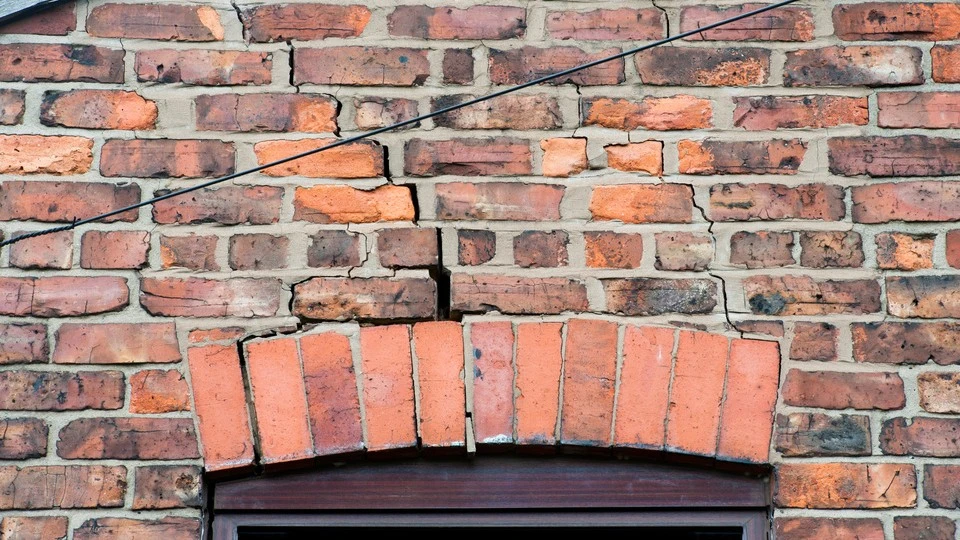
- Step cracks or straight cracks above the opening: Cracks that follow mortar joints, or a crack line that starts at a corner of a window/door, can indicate stress building at the lintel.
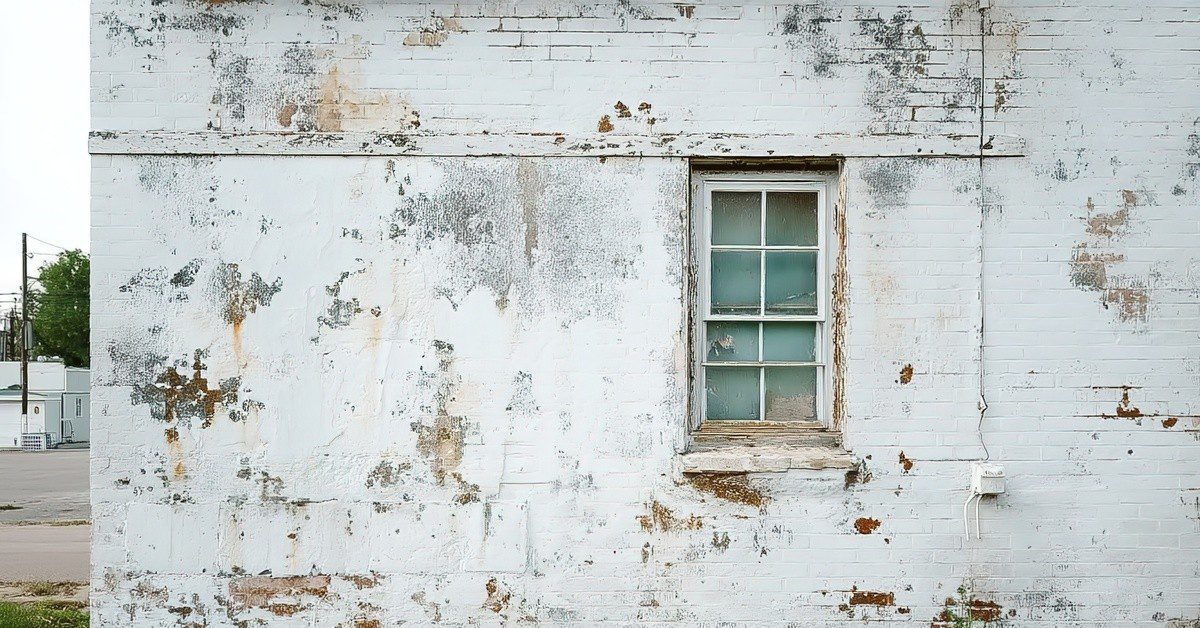
- Bulging or “pushed out” brickwork: Bricks that no longer sit flat, a slight bow above the window, or mortar that looks squeezed out can be a red flag.
- Rust staining on brick or mortar: Orange/brown streaks or patches often mean corrosion products are washing out from behind the veneer.
- Doors/windows sticking or going out of square: If an opening that used to operate smoothly suddenly binds, the supporting structure may be shifting.
- Interior clues: New drywall cracks above openings, staining near the top corners of windows, or persistent damp smells near exterior walls can suggest water intrusion feeding corrosion.
The hidden Problem: Rust Jacking
When steel rusts, the corrosion products take up more space than the original metal. That expansion presses against surrounding mortar and brick, which can crack joints, force bricks outward, and reduce the lintel’s effective bearing. Over time, that pressure can loosen masonry and increase the chance of brickwork falling—especially after freeze-thaw cycles or heavy wind-driven rain.
Common Causes of Lintel Rusting
Most rusting lintel problems trace back to water management details around the opening.
- Missing, damaged, or poorly installed flashing: Flashing should direct water back out to the exterior. If it’s absent or fails, water can sit on the lintel after every rain.
- Blocked or missing weep holes: Weeps allow moisture to escape from behind the brick. Paint, debris, mortar droppings, or insect nests can block them.
- Unprotected or poorly protected steel: Non-galvanized steel, thin coatings, or cut ends left unsealed can corrode faster—especially where water collects.
- Deferred maintenance: Failed caulk at window perimeters, cracked mortar joints, clogged gutters, and downspouts dumping water onto walls all increase wetting and speed corrosion.
Solutions: Repair, Maintenance, & Lintel Replacement
The right fix depends on two things: how deep the corrosion is and whether the surrounding masonry is moving.
- Inspection and routine upkeep: A couple of times a year, scan the brickwork above openings. Look for new cracks, staining, and any bulging. Keep gutters clear, make sure downspouts discharge away from the wall, and check that sealant around windows and doors isn’t split or missing.
- Address the water path first: If you repaint or patch without fixing the moisture source (flashing, weeps, joints), rust usually comes back.
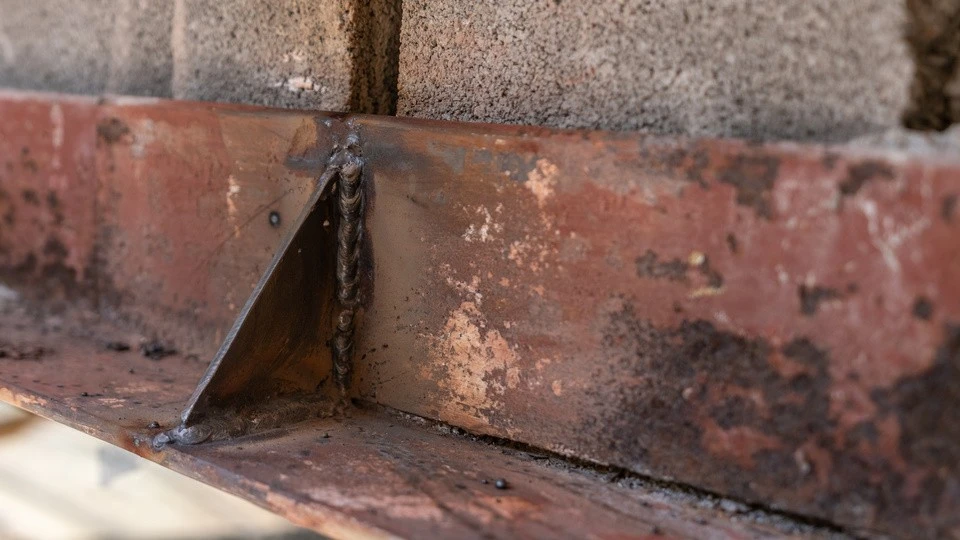
- Repairing minor, surface-level rust: If the lintel is structurally sound and the brickwork is stable, a contractor may remove loose rust, treat the metal, and apply a corrosion-resistant coating. Mortar repairs and sealant replacement may be needed to reduce water entry.
- When replacement is the safer choice: If the steel is visibly deformed, the masonry is bulging/cracking noticeably, or there’s ongoing movement at the opening, lintel replacement is often the most reliable fix. Don’t ignore repeated cracking after “cosmetic” repointing—movement usually means the underlying issue remains.
What Typically Happens During Lintel Replacement
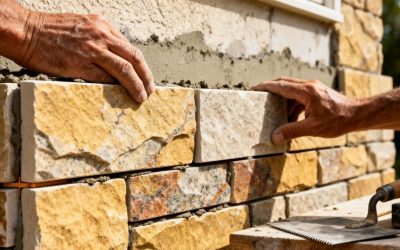
- A small section of brickwork above the opening is carefully removed.
- Temporary supports are installed as needed to carry the load safely.
- The old lintel is removed and replaced with a properly sized, corrosion-resistant lintel (commonly galvanized; stainless may be used in high-exposure areas).
- New flashing is installed or repaired, and weep paths are confirmed.
- Brickwork is rebuilt, mortar is matched as closely as practical, and the area is cleaned up.
DIY caution: Working above an opening can be deceptively risky. Even skilled DIYers typically bring in a mason and/or structural professional for assessment and temporary support planning. The cost of getting this wrong is often far higher than the cost of doing it safely the first time. If you’re trying to understand typical scope and finishes, it can also help to review a project gallery of similar exterior work.
Frequently Asked Questions (FAQs)
How long does it take for a lintel to rust through?
Can a rusting lintel cause a collapse?
How do I know if my lintel needs replacement or just repair?
Repairs may be reasonable when corrosion is light, the lintel isn’t distorted, and the surrounding masonry is stable. Replacement is more likely when you see bulging brickwork, repeated cracking after repairs, noticeable movement at the opening, or advanced corrosion that’s reducing the steel’s thickness. When in doubt, have a qualified professional assess your lintel—especially on older homes or multi-story facades.
What is the cost range for lintel replacement in 2026?
Are rust-resistant lintels worth it?
How do I prevent rust jacking in newer construction?
Protecting Your Property from Rusting Lintels & Rust Jacking
Rusting lintels are usually a water-management problem first and a metal problem second. Watch for cracking, bulging, and rust staining above openings, and treat new or worsening changes as a cue to investigate. Small fixes—clearing weeps, restoring sealant, repairing flashing—can prevent bigger structural work later.
If you suspect rust jacking or you’re seeing movement in the brickwork, bring in a qualified professional to assess it. The goal isn’t just to make the wall look better—it’s to restore safe support and stop the moisture that caused the corrosion in the first place. If you’re vetting contractors, it also helps to look at recent customer reviews.